


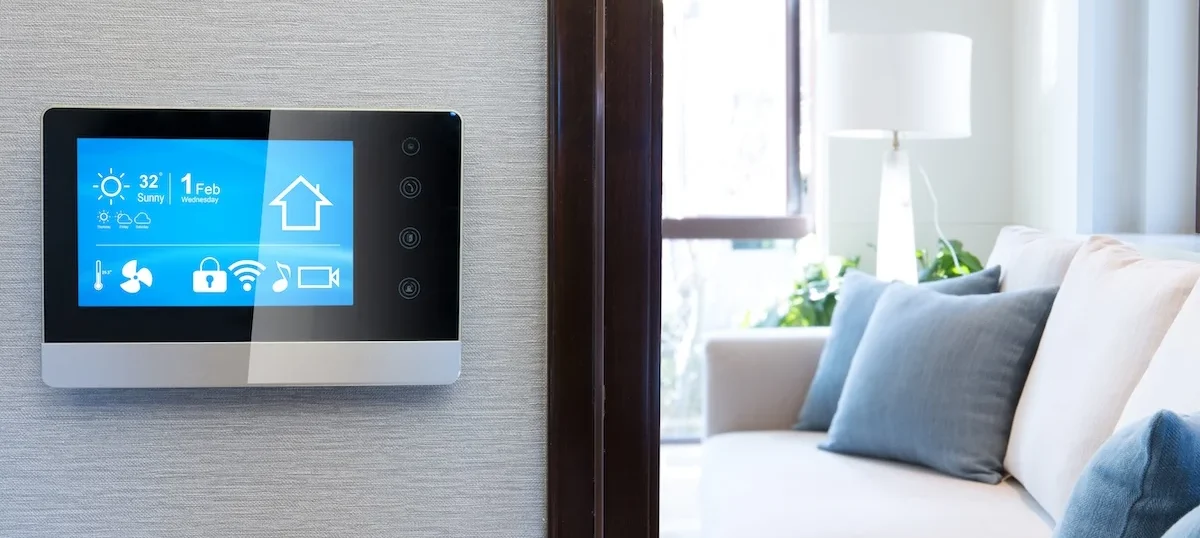
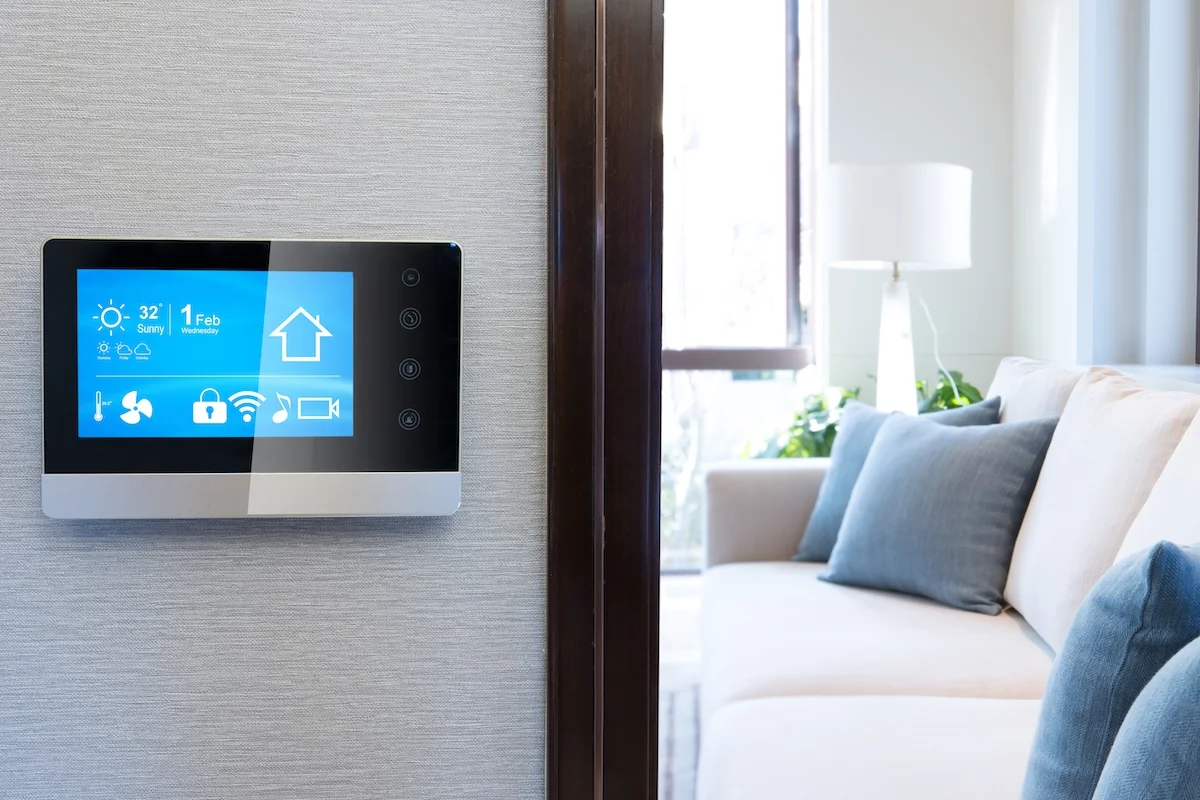
Smart home technology has transformed how we control our homes, and your HVAC system is no exception. In fact, integrating your heating and cooling into a smart home ecosystem can reduce energy consumption by 10-30% annually. Therefore, understanding HVAC smart home integration helps you leverage automation for maximum comfort and savings.
Your air conditioning and heating represent some of the largest energy consumers in your home. Moreover, intelligent automation optimizes when and how your system operates. Consequently, smart home integration combined with automated scheduling creates dramatic efficiency improvements that save thousands over your system’s lifetime.
This comprehensive guide explains how HVAC smart home integration works, what benefits it provides, and how to choose the right solutions for your home.
Understanding HVAC Smart Home Integration
Before exploring specific benefits, it’s important to understand what smart home integration actually means. Additionally, knowing how different components work together helps you evaluate options effectively.
What Is Smart Home Integration?
Smart home integration connects your HVAC system to your home’s central automation network. Furthermore, this allows remote control, automated scheduling, and intelligent decision-making based on occupancy, weather, and preferences. Therefore, your system becomes part of an interconnected ecosystem that learns and adapts.
Traditional HVAC systems operate based on thermostat settings you manually adjust. Moreover, they run the same schedule regardless of whether you’re home or away. Additionally, they can’t respond to external factors like weather changes or occupancy patterns.
Smart integrated systems, by contrast, actively optimize operation based on real-time data. Consequently, they reduce unnecessary conditioning and maximize comfort during occupied periods.
Key Components of Smart Integration
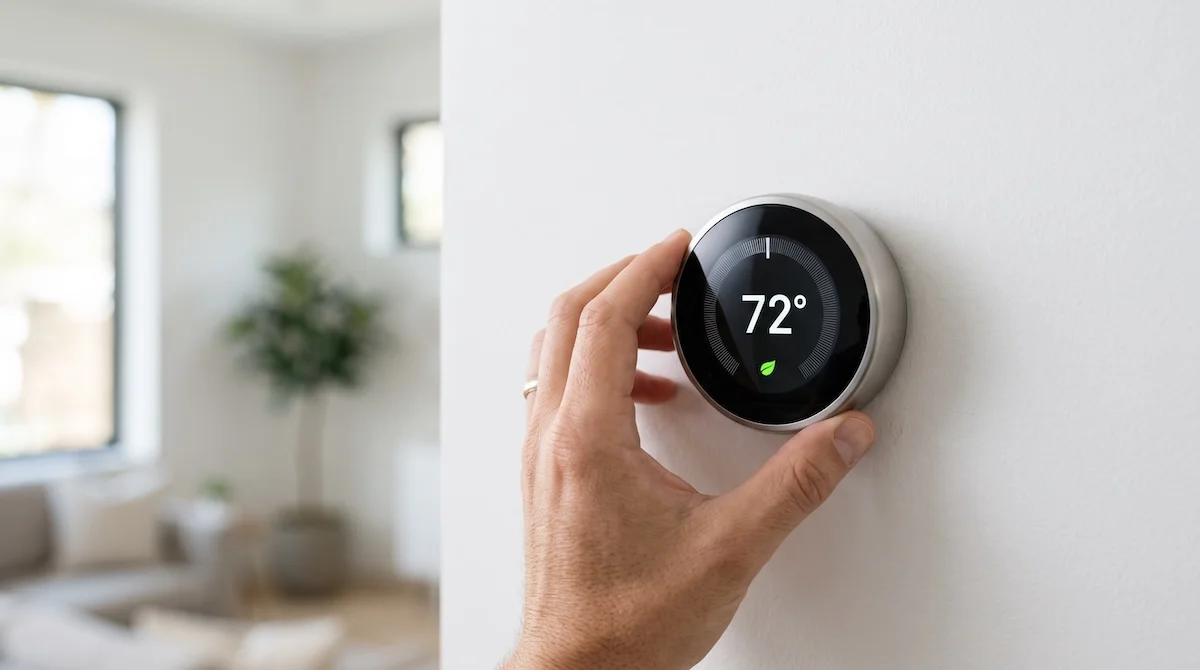
Smart thermostats: Programmable devices that learn your patterns and adjust automatically
Connected sensors: Detect occupancy, temperature, humidity, and environmental conditions
Central hubs: Connect your HVAC to other smart home devices and internet services
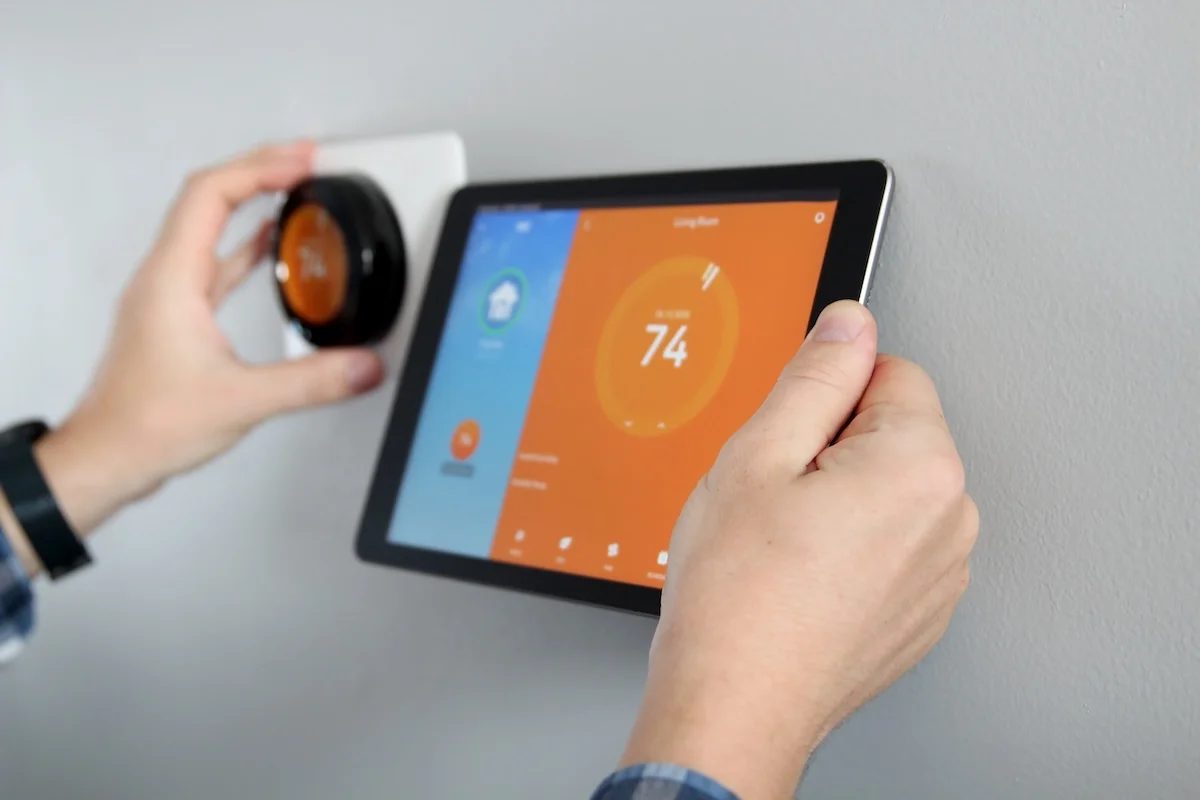
Mobile apps: Control your system remotely from anywhere with smartphone connectivity
Voice control: Adjust settings using Amazon Alexa, Google Assistant, or Apple Siri
Weather integration: Respond to forecasts and conditions automatically
Therefore, these components working together create truly intelligent HVAC operation that traditional systems cannot match.
Key Benefits of HVAC Smart Home Integration
Understanding the specific advantages helps you appreciate why smart integration is worth the investment. Moreover, these benefits extend beyond simple convenience.
Automatic Temperature Scheduling
Smart systems learn your schedule and automatically adjust temperatures. Additionally, they reduce conditioning when you’re away, then restore comfort before you return home. Furthermore, this eliminates unnecessary heating or cooling of empty spaces.
Scheduling benefits include:
- Weekday/weekend patterns: Different schedules for work days versus home days
- Seasonal adjustments: Automatic changes as seasons transition
- Vacation mode: Reduce conditioning while away for extended periods
- Guest detection: Adjust when temporary visitors arrive
- Time-based changes: Cooler at night for sleeping, warmer during the day
Therefore, intelligent scheduling prevents wasted conditioning. Moreover, you maintain comfort during occupied periods while reducing consumption when away.
Occupancy-Based Control
Geofencing technology detects when family members leave or return home. Additionally, your system automatically adjusts based on actual occupancy rather than preset schedules. Furthermore, this responds to irregular patterns that fixed schedules cannot accommodate.
If your commute varies or you work from home some days, geofencing adapts automatically. Therefore, you never waste energy conditioning empty homes. Moreover, you always have comfortable temperatures when you arrive.
Weather-Responsive Operation
Your smart system monitors local weather forecasts and current conditions. Additionally, it adjusts operation based on upcoming weather changes. Furthermore, it can reduce cooling during cool nights or increase heating when cold fronts approach.
For example, on cool fall evenings, your system might reduce AC operation knowing outdoor temperatures will drop naturally. Therefore, it reduces unnecessary cooling while maintaining comfort. Moreover, these subtle optimizations compound into significant savings.
Multi-Zone Temperature Control
Many smart systems enable independent temperature control for different areas. Additionally, you can cool bedrooms while keeping living areas warmer. Furthermore, different family members can maintain preferred temperatures in their spaces.
Multi-zone benefits include:
- Bedroom cooling: Lower temperatures for better sleeping without cooling entire house
- Unused room management: Minimal conditioning for rarely-used spaces
- Different preferences: Each person in their preferred temperature zone
- Energy efficiency: Only conditioning actively occupied areas
Therefore, zoning provides both comfort and efficiency. Moreover, no one has to compromise on personal temperature preferences.
Integration With Other Smart Home Systems
Your HVAC connects with other smart home devices for coordinated optimization. Additionally, lighting, blinds, and appliances can coordinate with climate control. Furthermore, this creates holistic home automation beyond just temperature.
For example, closing smart blinds when cooling demand is high reduces solar heat gain. Therefore, your AC doesn’t work as hard. Moreover, coordinated systems achieve efficiency no single device could accomplish alone.
Remote Access and Control
Control your HVAC from anywhere using smartphone apps or voice commands. Additionally, adjust temperatures while away, enable vacation mode, or turn off your system remotely. Furthermore, you can monitor energy consumption in real-time.
This flexibility prevents situations where you forgot to adjust the thermostat before leaving. Therefore, you maintain comfort while preventing energy waste. Moreover, you can respond to unexpected temperature changes remotely.
Energy Savings and Cost Benefits
The primary advantage of smart home integration is reduced energy consumption. Moreover, quantifying these savings helps justify the investment.
Documented Energy Savings
Studies consistently show that smart thermostats reduce energy consumption 10-30%. Furthermore, actual savings depend on your climate, system age, and how actively you use automated features. Additionally, users who fully embrace smart features typically achieve 20-30% savings.
Savings calculations:
- Annual cooling cost: $1,200 (typical home)
- With smart integration (20% savings): Saves $240 annually
- With smart integration (30% savings): Saves $360 annually
- Over 15-year system life: 3,600-5,400 in cumulative savings
Therefore, smart integration quickly pays for itself through reduced utility bills. Moreover, savings compound over the system’s entire lifespan.
Financial Payback Period
Smart thermostat installation typically costs 300-1,200. Therefore, payback periods are surprisingly short.
Payback calculation example:
- Smart thermostat cost: $700 installed
- Annual savings: $300 (25% reduction)
- Payback period: 2.3 years
Therefore, your investment returns within a few years. Moreover, remaining system life provides pure savings with no additional investment.
Demand Response Programs
Many utility companies offer programs rewarding automated demand response. Additionally, your smart system can participate in utility programs reducing consumption during peak demand periods. Furthermore, you receive incentive payments or bill credits for participation.
These programs often provide 100-300 annually in additional savings. Therefore, smart integration unlocks utility company incentives beyond basic energy savings.
Avoiding Peak Demand Charges
Some utility plans charge higher rates during peak demand hours. Additionally, smart systems can shift your cooling demand away from peak periods. Furthermore, this reduces your highest-cost energy consumption.
For example, pre-cooling your home before peak demand periods uses cheaper electricity. Therefore, you achieve comfort during peak times without paying peak rates.
Choosing the Right Smart HVAC Solution
With multiple options available, selecting the right system requires evaluating your needs and preferences. Moreover, choosing wisely ensures you get value from your investment.
Smart Thermostat Options
Popular options include Nest, Ecobee, Honeywell, and others. Furthermore, each offers different features and integrations. Additionally, comparing key features helps you choose appropriately.
Comparison factors:
- Learning capability: Does it learn your schedule automatically?
- Smart home compatibility: Works with your existing ecosystem (Alexa, Google, Apple)?
- Mobile app quality: Easy to use and informative?
- Energy reporting: Detailed consumption tracking?
- Professional installation: Included or DIY only?
- Price point: Budget to premium options available
Therefore, matching features to your priorities ensures satisfaction. Moreover, different users benefit from different thermostats.
Professional Installation
While some smart thermostats support DIY installation, professional installation ensures proper setup. Additionally, professionals verify compatibility with your specific HVAC system. Furthermore, they ensure all features function correctly and safely.
Professional installation typically costs 150-300 but provides peace of mind. Therefore, many experts recommend professional installation for optimal results.
Integration With Existing Systems
Verify that your chosen smart thermostat works with your specific HVAC system. Additionally, check compatibility with your home’s wiring and existing controls. Furthermore, confirm it integrates with your preferred smart home platform.
Most modern systems are compatible with common HVAC equipment. However, older or specialized systems may have limitations. Therefore, verify compatibility before purchasing.
HVAC Smart Home Integration vs. Traditional Smart Thermostats
Understanding the difference between simple smart thermostats and full home integration matters. Moreover, each approach has different benefits and costs.
Smart Thermostat Alone
A smart thermostat adds intelligence to your existing HVAC system. Additionally, it provides scheduling, remote access, and learning capabilities. Furthermore, it often improves efficiency 10-15% through better control.
However, it operates independently without coordination with other home systems. Moreover, it lacks occupancy detection unless you manually specify when you’re away. Additionally, it can’t coordinate with lighting, blinds, or other automation.
Full Smart Home Integration
Complete integration connects your HVAC with all smart home devices and systems. Additionally, occupancy detection, weather integration, and device coordination happen automatically. Furthermore, your entire home operates as one coordinated system optimizing efficiency.
Full integration typically achieves greater savings (20-30%) through comprehensive optimization. However, it requires more upfront investment in additional sensors and hubs. Moreover, it’s more complex to set up and manage.
Hybrid Approach
Many homeowners benefit from a hybrid approach starting with a smart thermostat. Additionally, they add integration gradually as needs evolve. Furthermore, this spreads costs over time while building capability progressively.
Therefore, starting with a quality smart thermostat provides immediate benefits. Moreover, you can expand integration later as your comfort and savings goals develop.
Setting Up HVAC Smart Home Integration
Getting started with smart integration requires understanding the setup process. Moreover, knowing what to expect helps you prepare appropriately.
Assessment and Planning
First, assess your current HVAC system and smart home setup. Additionally, identify compatibility requirements and integration needs. Furthermore, plan which devices you’ll connect initially and future expansion.
For guidance on smart thermostat selection and installation, see our complete guide on smart thermostat installation: ROI and energy savings.
Installation and Configuration
Professional installation of smart devices typically takes 1-2 hours. Additionally, technicians connect devices to your home network and configure initial settings. Furthermore, they verify all features function properly with your HVAC system.
After installation, you configure schedules, preferences, and automation rules. Moreover, this personalization takes time but yields best results.
Learning and Optimization
Smart systems improve with use as they learn your patterns. Additionally, initial weeks establish your baseline. Furthermore, the system gradually optimizes based on your actual behavior and preferences.
Be patient during initial weeks as the system learns. Therefore, don’t make dramatic changes immediately. Moreover, let automation features settle before evaluating energy impact.
Why Choose Veterans AC and Heat for Smart Integration
At Veterans AC and Heat, we help you implement smart home HVAC integration that truly saves money. Moreover, our expertise ensures your system is properly installed and optimized.
Our smart home integration services include:
- System assessment: Evaluating your HVAC compatibility with smart devices
- Professional installation: Proper setup of smart thermostats and sensors
- Configuration support: Helping you optimize settings and schedules
- Integration guidance: Connecting your HVAC with other smart home devices
- Ongoing support: Technical assistance and optimization recommendations
Additionally, we partner with leading smart home manufacturers. Therefore, you benefit from expert guidance and quality equipment.
Conclusion
HVAC smart home integration represents one of the most effective ways to reduce energy consumption and save money. Moreover, automation provides comfort benefits beyond just financial savings. Therefore, combining smart integration with an efficient HVAC system creates the ultimate in modern climate control.
From simple smart thermostats to comprehensive home automation, integration solutions exist for every budget and need. Additionally, documented energy savings justify investment within just a few years. Consequently, smart integration makes financial sense while improving comfort.
For more information on energy-saving HVAC upgrades, visit the U.S. Department of Energy’s smart thermostat guide.
Contact Veterans AC and Heat today to explore smart home integration for your HVAC system. Subsequently, our experts will assess your needs, recommend appropriate solutions, and ensure professional installation that maximizes your savings and comfort.


