


Heating and cooling account for a large share of the energy most homes use each year. In fact, the U.S. Department of Energy estimates that heating and cooling make up roughly half of a typical home’s energy use. Therefore, even small efficiency improvements can lower your energy bills.
The good news is that you don’t always need a new system to see results. Moreover, many efficiency gains come from simple maintenance, smarter habits, and targeted upgrades. Consequently, this guide walks you through practical steps to improve HVAC efficiency and lower your energy costs.
Start With the Basics: Regular Maintenance
Routine maintenance is the foundation of an efficient system. Additionally, a well-tuned furnace or air conditioner uses less energy to deliver the same comfort. Furthermore, small problems that go unnoticed, such as a slightly low refrigerant charge or a dirty coil, can quietly drive up your bills for months.
Professional tune-ups typically include:
- Cleaning coils: Dirty evaporator and condenser coils reduce heat transfer
- Checking refrigerant levels: Improper charge lowers cooling capacity and wastes energy
- Inspecting electrical connections: Loose or worn parts make the system work harder
- Testing thermostat accuracy: Incorrect readings cause unnecessary run time
- Lubricating moving parts: Reduced friction lowers motor energy use
Therefore, scheduling service once a year before peak season keeps your system running at its best. Moreover, twice-yearly visits make sense for many homes in extreme climates.
Change Your Air Filter Regularly
A clogged air filter is one of the most common reasons systems waste energy. Specifically, restricted airflow forces the blower to work harder and can reduce heat transfer across the coil. As a result, your system runs longer to reach the same temperature.
Check your filter monthly during heavy-use seasons, and replace it when it looks dirty. Additionally, filter type matters. High-efficiency filters capture more particles, but they also restrict airflow more, so confirm that your system can handle the filter you choose. Consequently, a filter that matches your equipment’s specifications delivers the best balance of air quality and efficiency.
Seal and Insulate Your Ductwork
Ductwork is one of the most overlooked sources of energy loss. In fact, leaky or uninsulated ducts can waste a significant portion of conditioned air before it reaches your rooms. For instance, ducts running through hot attics or cold crawl spaces lose heating or cooling as air travels through them.
Sealing and insulating ducts often delivers strong returns. Furthermore, sealing gaps at joints and connections with mastic or foil-backed tape keeps conditioned air where it belongs. Therefore, if your energy bills are high and some rooms never feel right, a duct inspection is a smart first step.
Upgrade Your Thermostat
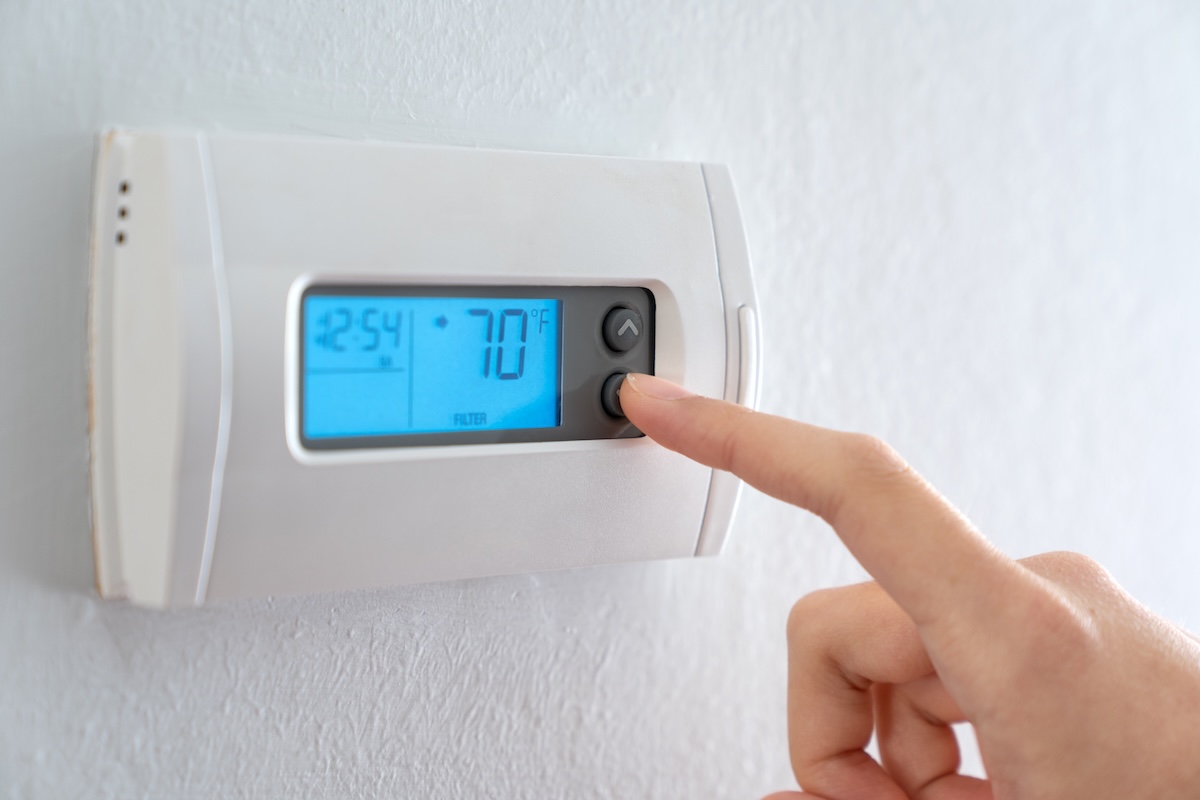
A programmable or smart thermostat helps your system run only when you need it. Moreover, scheduling temperature changes for times when you’re asleep or away reduces unnecessary heating and cooling. Additionally, many smart models learn your routine and adjust automatically.
Keep these settings in mind for better savings:
- Heating season: Lower the setting by several degrees while sleeping or away
- Cooling season: Raise the setting when the house is empty
- Avoid large swings: Small, steady adjustments tend to work better than dramatic changes
- Use fan settings wisely: Setting the fan to “auto” prevents the blower from running constantly
For a deeper look at smart controls, see our guide to smart home integration for HVAC automation. Those tools can coordinate scheduling, occupancy, and zoning for even greater efficiency.
Improve Airflow Throughout Your Home
Even a healthy system can underperform if air can’t move freely. Blocked vents, closed doors, and furniture placed over registers all create resistance. Consequently, your system works harder to move air where it’s needed.
Simple airflow fixes include:
- Keeping vents open and unobstructed: Move furniture and rugs away from registers
- Closing doors carefully: Avoid sealing off rooms that still need airflow
- Cleaning registers and returns: Dust buildup restricts air movement
- Using ceiling fans: Fans help distribute conditioned air and improve comfort at slightly higher or lower thermostat settings
Therefore, improving airflow often increases comfort while reducing the workload on your equipment.
Keep the Outdoor Unit Clear
Your outdoor condenser or heat pump needs open space to exhale heat or pull in outside air. Debris, tall grass, and overgrown shrubs can limit airflow and reduce efficiency. Additionally, leaves and dirt can clog the fins that help transfer heat.
Keep at least two feet of clearance around the unit. Also, rinse the fins gently with a garden hose to remove dust when the system is off. However, avoid high-pressure washing, since it can bend the delicate fins. Consequently, a clean outdoor unit operates more efficiently with less effort.
Seal Air Leaks in Your Home
Your HVAC system can only be as efficient as the building it serves. Gaps around windows, doors, and attic hatches let conditioned air escape and outside air seep in. Furthermore, these leaks make your system run longer to maintain comfort.
Common areas to seal include:
- Window and door frames: Use caulk or weatherstripping to close gaps
- Attic access points: Add insulation and weatherstripping to hatches
- Electrical outlets and switch plates on exterior walls: Install foam gaskets behind covers
- Recessed lighting: Seal fixtures that connect to unconditioned attic space
- Rim joists and basement sill plates: Insulate and seal where walls meet the foundation
Therefore, a tight building envelope and an efficient system work together. Moreover, sealing leaks often improves comfort in rooms that run cold or hot.
Improve Insulation
Insulation slows the transfer of heat into and out of your home. Additionally, adequate insulation in attics, walls, and floors reduces the load on your HVAC system. As a result, your equipment cycles less often and runs more efficiently.
Attic insulation is often the highest-impact upgrade. For example, adding insulation to an under-insulated attic can noticeably lower heating and cooling costs. Consequently, if your home has little insulation, this upgrade may pay for itself over time.
Consider Equipment Upgrades
Sometimes repairs and tune-ups can’t close the efficiency gap. Older systems often lose efficiency as they age, and modern equipment delivers much higher performance. Therefore, upgrading may make sense when your system is outdated, frequently breaks down, or no longer keeps your home comfortable.
When comparing new equipment, look at these factors:
- Efficiency ratings: Higher SEER2 for cooling and HSPF2 for heat pumps indicate better performance
- Variable-speed technology: Systems that adjust output to demand run longer at lower speeds, improving comfort and efficiency
- Correct sizing: An oversized or undersized system wastes energy, so proper load calculations are essential
- Proper installation: Even efficient equipment underperforms if installed poorly
Take Advantage of Incentives
Rebates and tax credits can lower the cost of efficiency upgrades. Moreover, many utilities and state programs offer incentives for qualifying equipment and home improvements. Additionally, federal tax credits have been available for certain high-efficiency systems and insulation upgrades, though eligibility rules change over time.
Before buying, check current programs in your area and confirm requirements with your utility and contractor. Therefore, you can reduce the upfront cost while increasing your long-term savings.
Track Your Energy Use
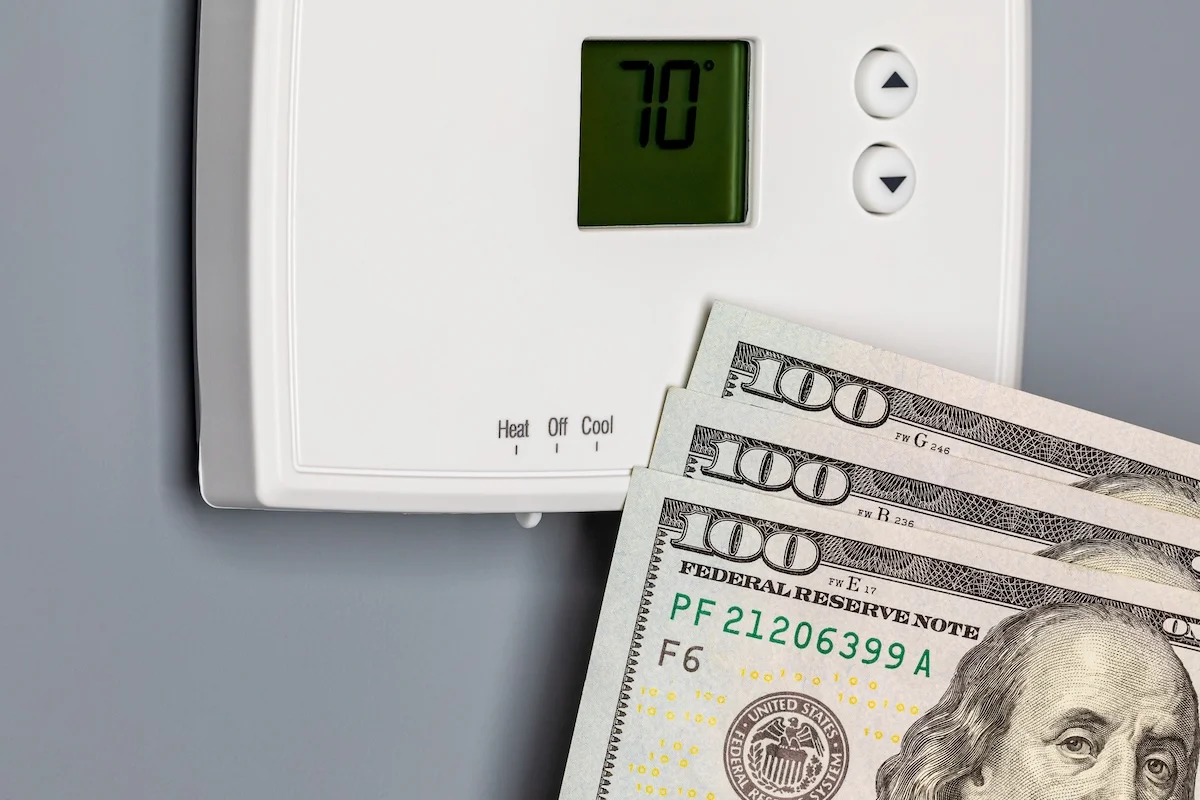
Monitoring your energy use helps you spot problems early. For instance, a sudden jump in your bill without a change in weather or habits may signal a developing issue, such as a refrigerant leak or failing component. Furthermore, comparing bills from month to month and year to year reveals trends you might otherwise miss.
Many smart thermostats and utility portals provide usage data that makes tracking easier. Consequently, you can connect changes in your bill to specific events in your home.
For energy-saving guidance from a trusted source, the U.S. Department of Energy’s Energy Saver guide offers practical, unbiased tips on heating and cooling efficiency.
Why Choose Veterans AC and Heat
At Veterans AC and Heat, we help homeowners lower their energy bills with a practical, honest approach. Our technicians perform thorough tune-ups, identify duct and airflow problems, and recommend upgrades only when they will truly pay off. Moreover, we explain your options clearly so you can make confident decisions.
Whether you need a single repair, a seasonal maintenance plan, or a full efficiency evaluation, our team is ready to help. Therefore, you get a partner focused on comfort, performance, and long-term savings.
Improve HVAC Efficiency to Lower Your Energy Bills
Improving HVAC efficiency doesn’t have to mean a costly overhaul. Regular maintenance, clean filters, sealed ducts, smart thermostat settings, and a tighter home all work together to lower your energy bills. Furthermore, when your equipment is aging or inefficient, a well-chosen upgrade can deliver lasting savings.
Start with the simplest steps this week, then build from there. Contact Veterans AC and Heat today to schedule an efficiency evaluation. Subsequently, our team will identify the highest-impact improvements for your home and help you start lowering your energy bills.


