


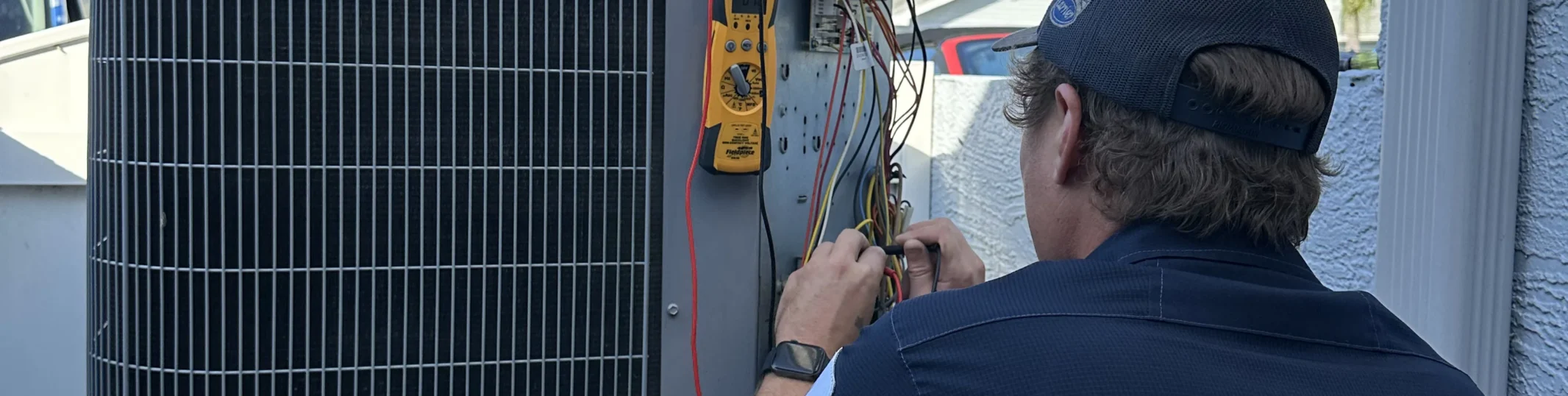
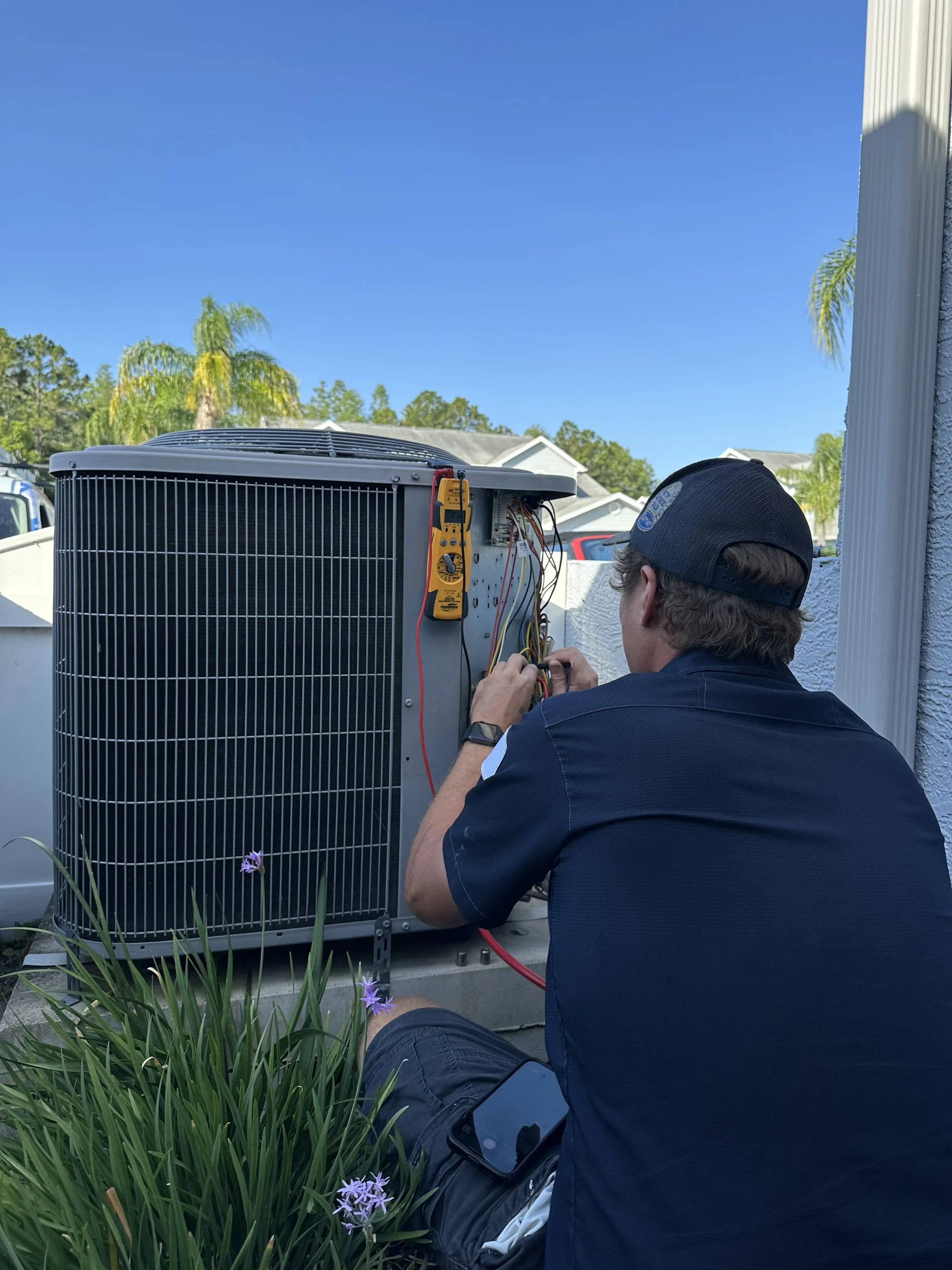
You set the thermostat to a comfortable temperature, and the system runs. Yet the house still feels sticky, the air smells musty, and the windows fog up. In fact, this is one of the most common complaints homeowners raise, and it often has little to do with how cold the air is. Therefore, understanding why your HVAC system struggles with humidity is the first step toward fixing it.
Air conditioners remove moisture as they cool, but that job isn’t automatic. Moreover, several factors can prevent a system from pulling enough humidity out of your home. Consequently, this guide explains the most common causes and the practical solutions that help restore indoor comfort.
Why Humidity Matters
Humidity is the amount of water vapor in the air. Additionally, it affects how your home feels, how your system performs, and even your health. Furthermore, the right balance makes a 75-degree home feel comfortable, while excess moisture makes the same temperature feel warm and clammy.
The Environmental Protection Agency recommends keeping indoor relative humidity between 30 and 50 percent. Therefore, levels above that range create a welcoming environment for mold, dust mites, and musty odors. Moreover, persistently damp air can damage drywall, wood trim, and furniture over time.
For a trusted overview of indoor moisture and air quality, the EPA’s indoor air quality resources explain how humidity affects health and what homeowners can do about it.
How Your HVAC System Removes Moisture
Understanding the process helps explain why things go wrong. As warm, humid air passes over the cold evaporator coil, water vapor condenses into liquid. Subsequently, that water drains out of the home through a condensate line. Meanwhile, the cooled, drier air returns to the rooms.
This process only works well under certain conditions. The coil must stay cold enough to condense moisture, air must move across it at the right speed, and the condensate must drain properly. Therefore, anything that disrupts one of these steps reduces dehumidification.
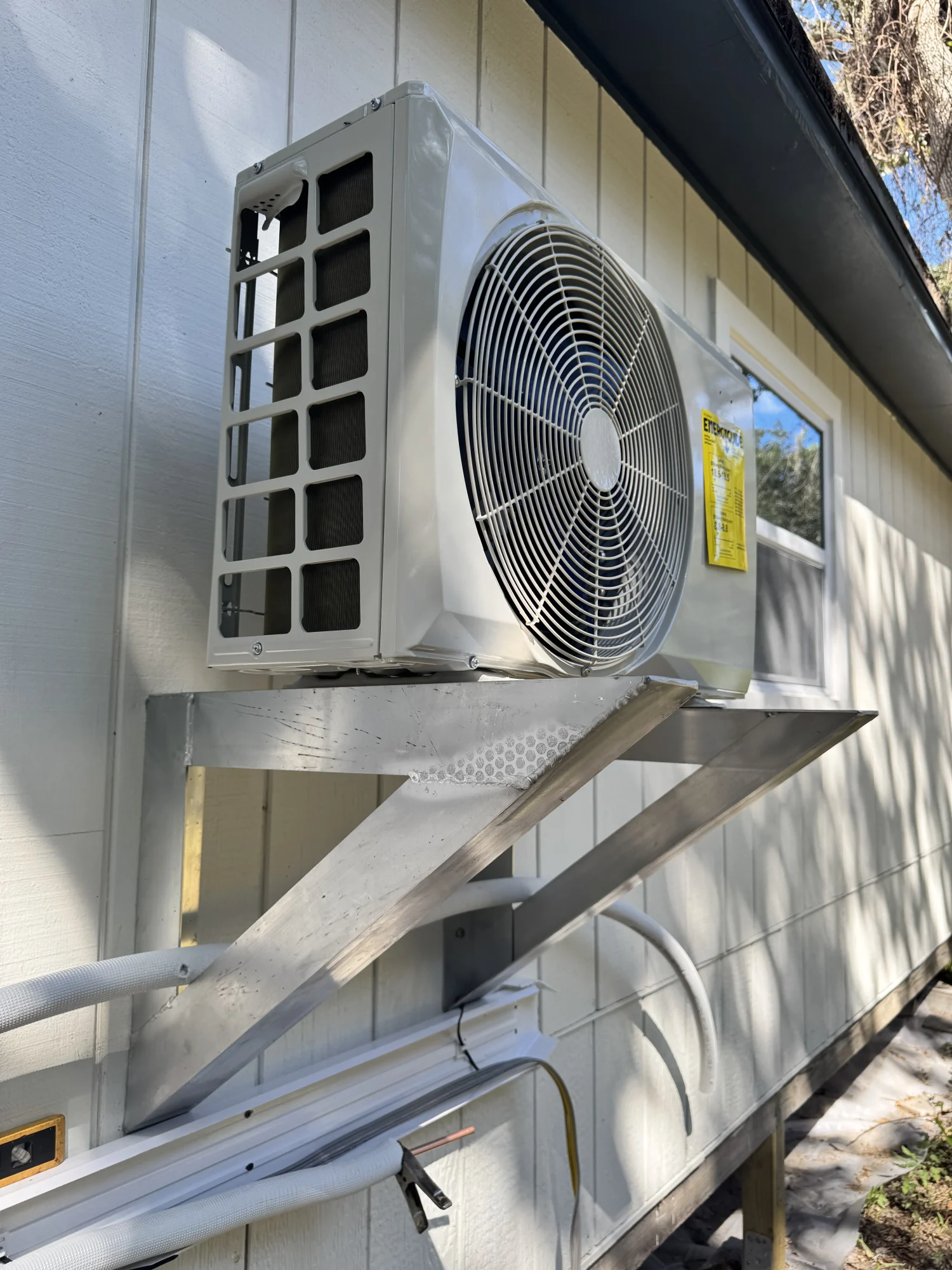
Common Reasons Your HVAC Can’t Keep Up
Several issues can leave your home humid even when the system runs often. Below are the most frequent causes.
The System Is Oversized
An oversized air conditioner cools the air quickly and shuts off before it has time to remove much moisture. As a result, the temperature reaches the setpoint while humidity stays high. This pattern is called short cycling, and it is one of the leading causes of humidity problems in Florida and other hot, humid regions.
Oversizing often happens when installers estimate capacity by square footage instead of performing a proper load calculation. Therefore, if your home feels cool but damp, ask whether the system was sized correctly.
The System Is Undersized
An undersized system faces the opposite problem. It runs continuously, struggles to reach the setpoint, and never gets ahead of the moisture load. Additionally, the constant operation wears components faster and raises energy bills without delivering comfort.
Single-Stage Equipment Runs at Full Blast
Basic single-stage systems operate at one speed. They run at full capacity, cool the air rapidly, and turn off abruptly. Consequently, they often leave humidity behind. Variable-speed systems, by contrast, run longer at lower speeds, which allows more moisture to condense from the air.
Dirty Coils and Clogged Filters
A dirty evaporator coil can’t absorb heat or condense moisture efficiently. Similarly, a clogged filter restricts airflow across the coil. Therefore, both problems reduce the system’s ability to dehumidify. Routine filter changes and professional coil cleaning help restore performance.
Leaky or Poorly Designed Ductwork
Ducts that run through hot attics or crawl spaces can pull humid, unconditioned air into the system through leaks. Moreover, undersized or poorly routed ducts restrict airflow and reduce the coil’s efficiency. Therefore, a duct evaluation is often part of solving a humidity problem.
Condensate Drain Problems
The condensate line carries removed moisture out of the house. If the line clogs with algae or debris, water can back up and the system may shut down. Additionally, a partially blocked drain can leave standing water in the drain pan, which fuels mold growth. Regular drain cleaning prevents these issues.
Thermostat Settings
Setting the thermostat too high can reduce the time the system spends running, which limits dehumidification. Conversely, setting it extremely low can create short cycles. Therefore, a moderate setting combined with longer, steadier run times usually works best for moisture control.
Air Leaks and Outdoor Air Infiltration
Gaps around windows, doors, and attic hatches allow humid outdoor air to seep in. Furthermore, these leaks add moisture faster than the system can remove it. Sealing gaps and improving insulation reduces the load on the equipment.
Warning Signs Your Humidity Control Problem Is Getting Worse
Certain symptoms suggest that moisture is building up in your home. Watch for these signs:
- Musty or stale odors: Often a sign of mold or mildew growth
- Condensation on windows: Excess indoor moisture condenses on cool surfaces
- Peeling paint or warped wood: Long-term dampness damages finishes and materials
- Dust mites or allergy flare-ups: Humid conditions help these triggers thrive
- Clammy feeling at normal temperatures: The air is holding too much moisture
- Water near the indoor unit or drain pan: A drainage problem may be developing
If you notice several of these symptoms, schedule an inspection. Early action prevents larger problems later.
Practical Solutions for Better Humidity Control
Fortunately, most humidity control problems respond to a combination of practical fixes. Start with the simplest steps, then move to larger upgrades if needed.
Maintain Your Current System
Regular maintenance is the foundation of good dehumidification. Change filters on schedule, schedule professional coil cleaning, and have condensate lines cleared and treated. Additionally, confirm refrigerant levels and airflow during service visits. Therefore, a well-maintained system has a much better chance of keeping moisture under control.
Use Your Thermostat’s Dehumidification Features
Many modern systems and thermostats include dehumidification or humidity control modes. These settings run the system at lower fan speeds for longer periods, which removes more moisture while keeping the temperature comfortable. Consequently, they’re especially useful during mild, damp weather when the AC doesn’t run much otherwise.
Improve Airflow and Ductwork
Keep supply and return vents open, and make sure furniture doesn’t block them. Furthermore, seal and insulate ducts where they run through unconditioned spaces. Consequently, the system moves air more effectively and removes moisture more reliably.
Run Exhaust Fans
Bathroom and kitchen exhaust fans remove moisture at the source. Run them during showers and cooking, and let them run for a while afterward. Additionally, confirm that exhaust fans vent outdoors rather than into the attic, since venting into the attic creates new moisture problems.
Consider a Whole-Home Dehumidifier
When the HVAC system can’t keep up, a whole-home dehumidifier can provide dedicated moisture removal. These units integrate with your ductwork or operate independently in a central location. Moreover, they can work alongside the air conditioner so the system doesn’t have to overcool the home to dry the air.
Portable dehumidifiers can help in individual rooms, such as basements or laundry areas. However, they require regular emptying and don’t address whole-home humidity as effectively.
Address Equipment Sizing
If the system is oversized or undersized, correcting that issue may be the most effective solution. A professional load calculation identifies the correct capacity. Moreover, replacing equipment with a properly sized, variable-speed system often delivers the greatest long-term improvement.
For guidance on when replacement makes more sense than repair, read our guide to improving HVAC efficiency and lowering energy bills. It explains how sizing, airflow, and equipment choices affect both comfort and costs.
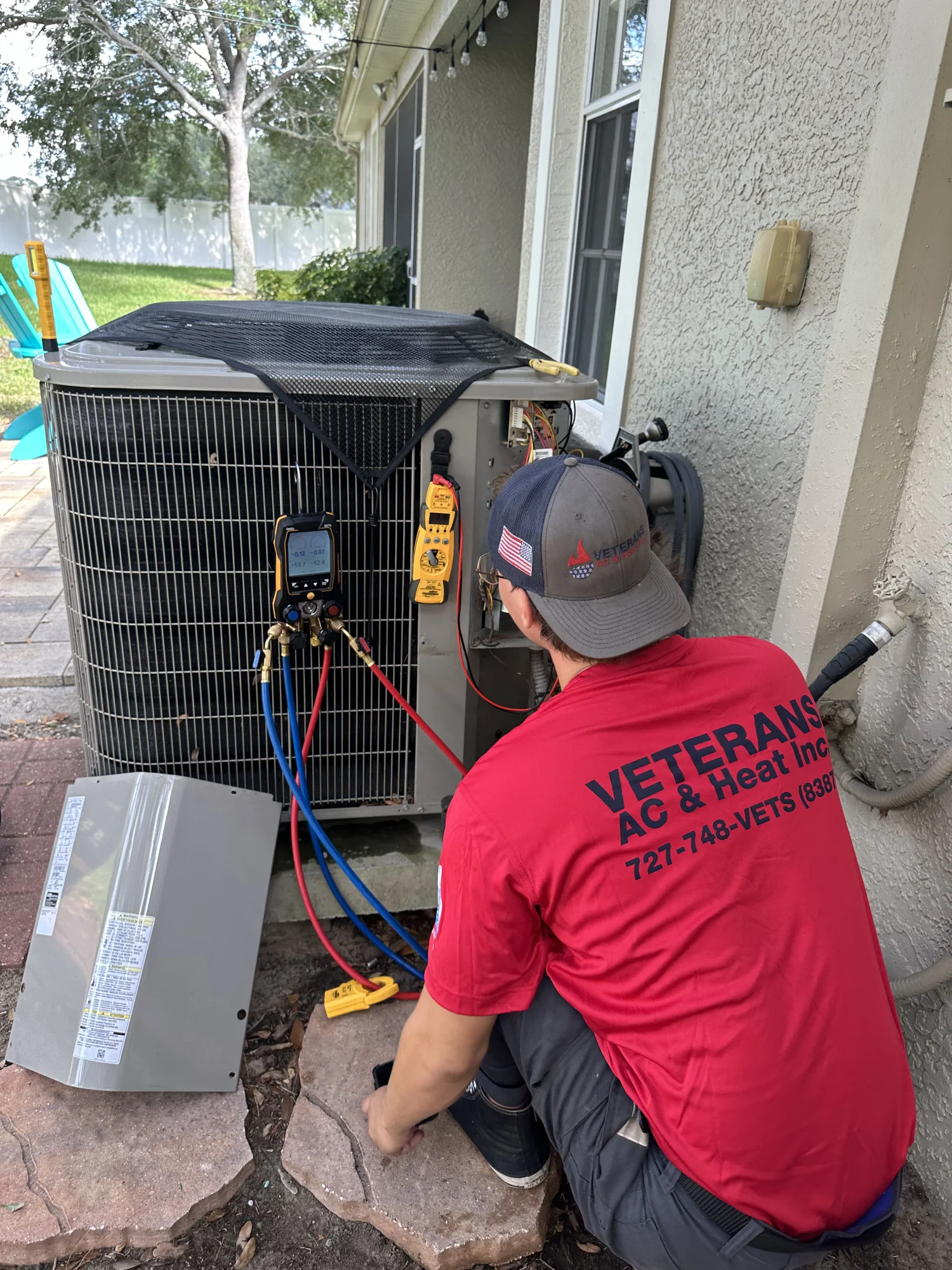
Why Target 50 Percent or Lower?
Aiming for the lower end of the recommended range, around 40 to 50 percent, is often ideal in warm climates. At these levels, dust mites struggle to survive and mold has difficulty taking hold. Additionally, air feels cooler at a slightly higher temperature, which can save energy.
In colder months, humidity can drop too low and cause dry skin, irritated airways, and static electricity. Therefore, many homeowners balance their indoor humidity seasonally rather than keeping it at one fixed level.
When to Call a Professional
Some humidity control problems require expert diagnosis. Call a technician if you notice any of the following:
- Humidity stays high even when the system runs frequently
- The system short-cycles or runs continuously
- The drain line clogs repeatedly or water appears near the indoor unit
- You see visible mold on vents, coils, or ductwork
- Your energy bills climb without a clear explanation
A professional can measure airflow, check refrigerant charge, test ductwork, and evaluate sizing. Therefore, you get a clear answer about what’s causing the problem and how to fix it.
Why Choose Veterans AC and Heat
At Veterans AC and Heat, we treat humidity as a comfort issue, not just a temperature issue. Our technicians evaluate sizing, airflow, ductwork, and drainage together so the fix addresses the real cause. Moreover, we explain your options honestly and recommend upgrades only when they will make a measurable difference.
Whether your home needs a tune-up, duct improvements, or a properly sized replacement system, our team is ready to help. Therefore, you can stop guessing and start enjoying drier, more comfortable air.
Conclusion
When your HVAC system can’t keep up with humidity, the cause is often something fixable. Oversizing, undersizing, dirty coils, leaky ducts, and drain problems all reduce dehumidification. Fortunately, maintenance, smart settings, improved airflow, and targeted upgrades can restore balance.
Start with the simple steps this week, and watch for the warning signs that point to a deeper issue. Contact Veterans AC and Heat today to schedule a humidity evaluation. Subsequently, our team will identify what’s holding your system back and help you create a drier, healthier home.


